How Chinese New Year Font Can Elevate Your Marketing Visuals
As a creator constantly battling for attention in fast-scrolling feeds, you know the power of a single design element to stop a scroll. Typography is that element. More than just letters on a screen, a great font carries a mood, a personality, and a promise. For campaigns demanding warmth, friendliness, and a touch of natural charm, the Chinese New Year font is a uniquely potent tool in your visual arsenal.
The Personality of the Chinese New Year Font
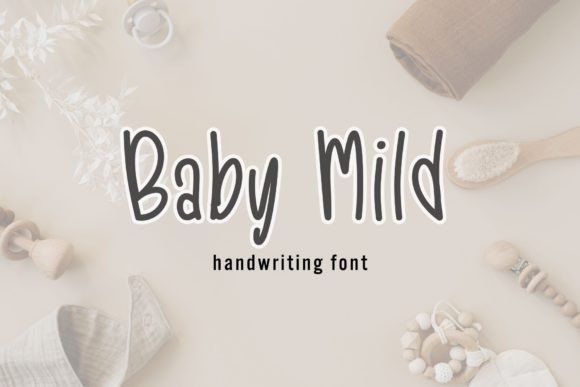
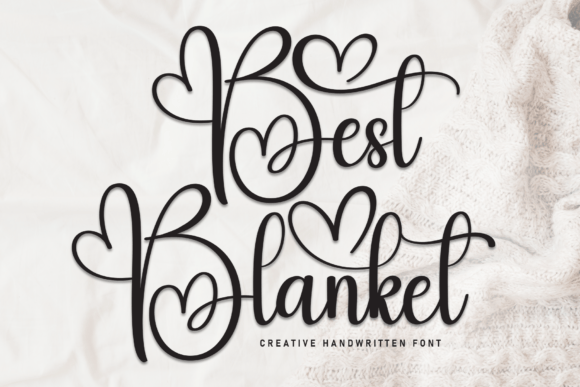
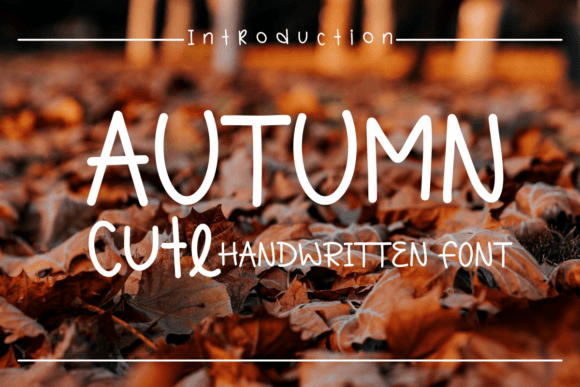
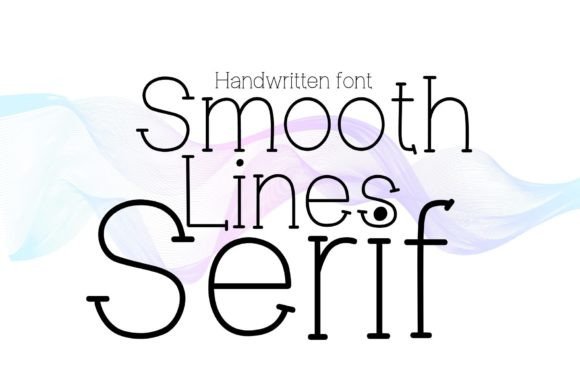
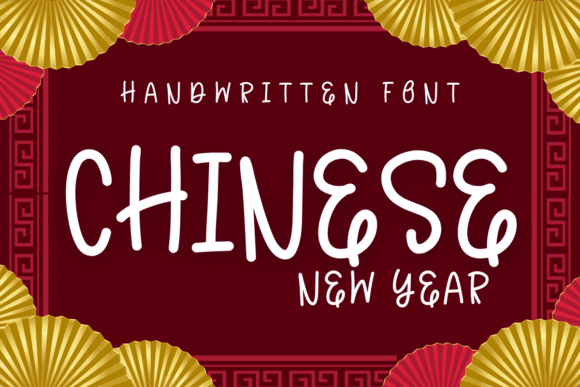
Chinese New Year is a sweet and friendly handwritten font. Its strokes possess a natural, slightly imperfect flow that feels authentic and approachable. Unlike rigid, geometric typefaces, it has a unique style that conveys human touch and creativity. This makes it incredibly fitting for designs where you want to build a connection—to feel personal, celebratory, or inspiring without being overly formal or childish. The mood is optimistic and engaging, perfect for content that aims to invite rather than instruct.
Building Scroll-Stopping Campaign Graphics
In the digital landscape, your font choice is a direct communication channel. Here’s how Chinese New Year can transform key marketing assets.
For Social Media & Short-Form Content
On Instagram, a post title rendered in Chinese New Year instantly feels more like a handwritten note from a friend than a corporate broadcast. Use it for Reels covers to give your video series a cohesive, branded look. On Pinterest, pin titles or key callouts in this script font draw the eye with its organic texture, encouraging clicks. For YouTube, a thumbnail featuring your video’s key question or hook in Chinese New Year stands out against the sea of bold, blocky sans serif text, promising a more personal or creative viewing experience.
For Digital Advertising & Brand Campaigns
In email headers, website banners, or landing page hero sections, Chinese New Year can be the anchor for your campaign’s emotional tone. Imagine a product launch teaser graphic: “Something Wonderful is Coming…” written in this font creates anticipation with warmth. A limited-time sale announcement feels more like an exclusive invitation. For a webinar or workshop banner, it softens the formal nature of an event, making it appear more collaborative and accessible.
For Consistent Brand Content
Using Chinese New Year as a primary display font across your digital ads, promo graphics, and branded templates builds strong visual consistency. This consistency is key for brand recognition. When your audience sees that distinct, friendly handwriting style across platforms, they immediately associate it with your brand’s voice.
Crafting Clearer Messaging & Visual Hierarchy
A font like Chinese New Year isn't just about aesthetics; it's a functional tool for clarity. Its distinct style naturally creates a strong visual hierarchy. In a graphic combining text elements, using Chinese New Year for the main headline or key quote instantly establishes it as the primary focus. A supporting subhead in a clean sans serif font then provides clear, readable context. This pairing guides the viewer’s eye logically from the emotional hook to the practical details.
For readability, especially on mobile screens and in small previews, it’s best to use Chinese New Year for short, impactful text. Its handwritten nature is perfect for headlines, callouts, titles, decorative accents, or even as a basis for a simple logo mark. Avoid using it for long body paragraphs in thumbnails or social posts, as the detailed strokes can become less distinct at very small sizes. Instead, let it shine as the memorable accent that makes your core message pop.
Influencing Audience Perception from the First Impression
The first visual impression of your campaign sets the tone for all subsequent engagement. Chinese New Year influences this perception by signaling creativity, personal care, and a non-corporate attitude. For seasonal promotions, especially around holidays or festive periods, its joyful and natural style is inherently fitting. In personal branding for coaches, creators, or artisans, it reinforces the authentic, hands-on nature of your work. For an online shop promotion for handmade goods or lifestyle products, the font mirrors the product’s quality and craft.
Consider an inspirational quote graphic for a content series. A stark, modern sans serif might feel cold. The same quote in Chinese New Year feels shared, intimate, and motivating. It transforms a statement into a conversation.
Practical Font Pairing for Balanced Designs
To maximize the impact of Chinese New Year and ensure overall readability, strategic font pairing is essential. Its organic script style pairs beautifully with a clean sans serif font for captions, body text, and explanatory details. This combination provides visual balance: the personality of the script grabs attention, while the clarity of the sans serif delivers the full message. For a more editorial look, you could pair it with a classic serif font for long-form website content accompanying the graphic headlines. The key is to let Chinese New Year be the star for your primary message and use more neutral, readable typefaces for supporting information.
A Note on Using This Creative Font Professionally
Chinese New Year, as a premium handwritten font in the Script Amp category, is a powerful design asset. Before deploying it in client campaigns, digital products, merchandise, or templates intended for sale, always review its commercial licensing terms. Ensuring you have the correct license for your specific use—whether for personal projects, client ads, or resale in templates—is a crucial step in professional brand identity work. This protects your projects and respects the creator’s work.
The true power of a font like Chinese New Year lies in its ability to translate a strategic marketing message into an emotional visual experience. It bridges the gap between communication and connection. In a world of automated templates and stock visuals, a touch of genuine, handwritten style can be the very element that makes your audience stop, look, and feel something. That feeling is where engagement begins.